
Interview
Interview: inside a manufacturer's traction transition
A chief engineer on batteries, charging and depot readiness
 Callum FrazerRolling Stock & Freight Reporter16 August 2026
A sample interview on how fleet manufacturers are planning traction transition, and why depot and charging readiness increasingly determines delivery dates.
This is sample editorial content created to demonstrate the Rail Industry Magazine platform. It is written in the style of industry reporting but does not describe real events, contracts or organisations.
What is changing
Delivery teams describe a programme shaped less by single milestones than by the sequencing between them. Access, resource availability and assurance now govern the critical path as much as construction itself, and clients are increasingly explicit about wanting deliverability evidence before commitment.
The industry has become far better at planning work. The harder question is whether the supply chain has the certainty it needs to invest ahead of it.
Supply chain view
Suppliers point to a familiar pattern: capability exists, but visibility of the forward workbank determines whether it is retained. Several contributors argued that longer, portfolio-level commitments would reduce unit cost more than any single technical intervention.
- Sequenced access remains the dominant delivery constraint.
- Assurance evidence is being requested far earlier in programmes.
- Fleet and infrastructure decisions are increasingly interdependent.
What happens next
Attention now turns to the next funding period, where the balance between renewals, enhancement and digital investment will set the shape of the market for years. Rail Industry Magazine will continue to track the decisions as they are confirmed.
Organisations in this story
About the author
Callum Frazer
Callum covers fleet procurement, depots, traction and the rail freight market. (Sample profile.)
More from this authorMore from Rolling Stock
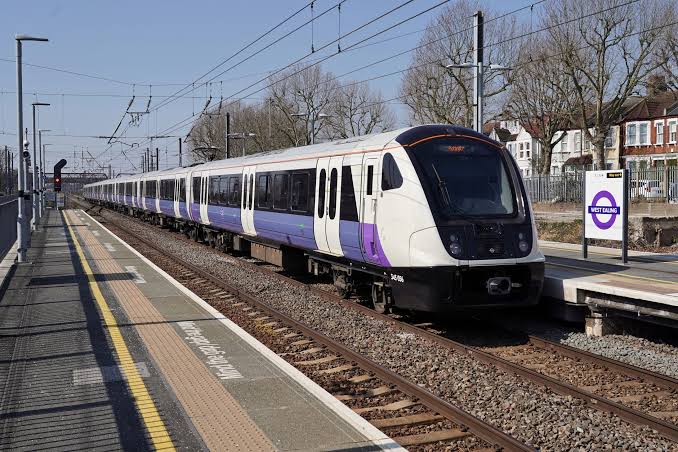
New Elizabeth line trains highlight growing demand for modern rolling stock
Ten additional Class 345 trains are being built for the Elizabeth line as passenger demand continues to grow, highlighting the increasing importance of modern rolling stock in expanding railway capacity.
Helena Whitcombe · 31 Aug 2026 · 5 min read
Battery-electric fleet order signals shift away from diesel infill
A major battery-electric order marks a decisive move away from diesel infill running, with charging infrastructure to be delivered alongside the fleet rather than retrofitted afterwards.
Callum Frazer · 22 Aug 2026 · 6 min read