
Analysis
New Elizabeth line trains highlight growing demand for modern rolling stock
Ten new Class 345 trains are being built for the Elizabeth line, but can Britain's rolling stock industry keep pace with growing passenger demand?
 Helena WhitcombeEditor31 August 2026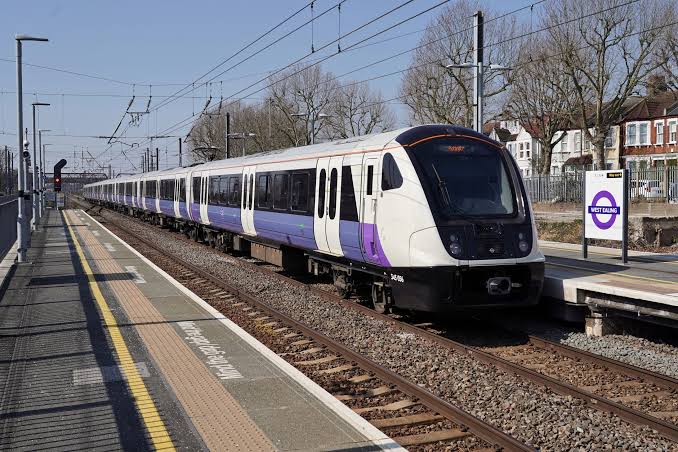
The Elizabeth line is set to receive ten additional trains as Alstom continues production of a new fleet of Class 345 Aventra units at its Derby manufacturing facility.
The first of the ten new trains, numbered 345071, left Alstom's Litchurch Lane production line in June and has since moved into final testing before beginning trials on railway lines around London and on the Elizabeth line itself. (alstom.com
The additional trains will take the Elizabeth line fleet to 80 units, with the new rolling stock being introduced to meet continued growth in passenger demand.
But why does a railway that already has one of the newest fleets in the country need more trains?
Growing demand for the Elizabeth line
The Elizabeth line opened to passengers in 2022 and has quickly become an important part of London's transport network.
Passenger demand has continued to develop since the line opened, with Alstom stating that the current fleet of 70 Class 345 trains would not be sufficient to meet expected demand later in the decade and into the 2030s.
The additional ten trains were ordered by Transport for London under a contract worth around €430 million, or approximately £370 million, including associated maintenance through to 2046. (alstom.com
The decision to expand the fleet demonstrates how quickly passenger demand can change following the introduction of a major new railway.
So what difference can ten additional trains actually make?
More trains, more capacity
The new units are nine-car electric multiple units based on Alstom's Aventra platform.
Once all ten have entered service, the Elizabeth line will have a fleet of 80 trains.
Alstom says the additional fleet will allow the Elizabeth line to increase its capacity to around 120,000 passengers per hour in the busiest direction. (alstom.com
Increasing capacity is not simply a question of adding more trains to the timetable.
The railway also needs sufficient infrastructure, signalling capacity, depot space and platform arrangements to accommodate additional services.
This is where rolling stock becomes part of a much wider railway system.
A new train can provide additional passenger capacity, but the network around it has to be capable of using that capacity effectively.
What is different about the new trains?
The additional trains are being built at Alstom's Litchurch Lane Works in Derby, one of the UK's major railway manufacturing facilities.
The site has been producing trains for generations and is now responsible for the construction of another batch of modern electric multiple units for the London network.
The manufacturing process involves thousands of individual components.
According to Alstom, each nine-car Class 345 contains around five miles of welding, 50 miles of cabling, more than 47,700 screws and approximately 31,700 bolts. (alstom.com
Once manufacturing is complete, the trains have to go through a separate programme of testing and assurance before they can carry passengers.
The first new train has already moved onto Alstom's Derby test track and will undergo further trials before entering passenger service.
So when will passengers actually see the new trains?
From Derby to London
The first additional Class 345 is expected to enter passenger service later in 2026, with the remainder of the fleet following as they complete testing, authorisation and introduction into service. (alstom.com
The Office of Rail and Road has already authorised the ten additional nine-car Class 345 units equipped with onboard European Train Control System technology.
The authorisation was issued on 14 August 2026 and allows the additional units to operate subject to the relevant requirements. (orr.gov.uk
The inclusion of ETCS is significant because the technology forms part of the wider move towards more digitally controlled railway operations.
For the Elizabeth line, the trains therefore form part of a wider system involving modern signalling, communications and infrastructure.
Why is rolling stock becoming increasingly important?
The Elizabeth line is an example of a wider issue facing Britain's railway.
Passenger demand can change considerably over the lifetime of a railway, meaning rolling stock fleets need to be capable of adapting to changing requirements.
A railway can invest billions in infrastructure, but if there are not enough trains to operate the required services, much of that capacity cannot be used.
Equally, ordering large numbers of trains without sufficient demand or infrastructure can create its own financial challenges.
This makes rolling stock investment a balancing act.
Operators and governments have to consider passenger growth, fleet reliability, maintenance costs, infrastructure capacity and the expected lifespan of the trains.
For the Elizabeth line, the decision to order another ten trains suggests that demand is expected to continue growing rather than simply returning to the levels seen when the railway first opened.
What does this mean for Britain's train manufacturing industry?
The new Elizabeth line trains are also significant for the UK's rolling stock manufacturing sector.
The trains are being built in Derby, providing continued work at a manufacturing site with a long history of railway production.
Alstom says the additional Elizabeth line fleet will support jobs and the wider supply chain in the UK.
The company has also been carrying out other rolling stock programmes at the Derby facility.
Earlier this year, Alstom revealed the first refurbished CrossCountry Voyager following the start of a major programme involving 136 Class 220 Voyager cars and 176 Class 221 Super Voyager cars over a two-year period. (alstom.com
This highlights the different sides of the modern rolling stock market.
The industry is not only about building new trains.
Refurbishment, maintenance, reliability improvements and extending the useful life of existing fleets are also becoming increasingly important as operators look for ways to manage investment.
What happens next?
The immediate focus will be on completing the remaining nine Class 345 trains and ensuring that each unit passes the necessary testing and approval processes.
For passengers, the arrival of the additional trains should ultimately mean greater capacity on a railway where demand has continued to grow.
For the wider industry, however, the programme demonstrates something more significant.
Modern rolling stock is becoming increasingly integrated with the infrastructure around it.
Trains need to work with digital signalling systems, maintenance facilities and increasingly complex operational requirements.
The challenge is therefore no longer simply building a train that can carry passengers.
It is building a fleet that can operate reliably within an increasingly connected railway.
As Britain's railway continues to modernise, that relationship between rolling stock, infrastructure and technology is likely to become even more important.
The question is whether the industry can continue to increase capacity quickly enough to keep pace with passenger demand.
For the Elizabeth line, ten new trains are now on their way from Derby to London.
Whether that additional capacity will be enough for the railway's next stage of growth remains to be seen.
About the author
Helena Whitcombe
Helena has covered UK rail infrastructure and policy for more than fifteen years, reporting on every major enhancement programme of the last decade. (Sample profile.)
More from this authorMore from Rolling Stock
Battery-electric fleet order signals shift away from diesel infill
A major battery-electric order marks a decisive move away from diesel infill running, with charging infrastructure to be delivered alongside the fleet rather than retrofitted afterwards.
Callum Frazer · 22 Aug 2026 · 6 min read
Interview: inside a manufacturer's traction transition
A sample interview on how fleet manufacturers are planning traction transition, and why depot and charging readiness increasingly determines delivery dates.
Callum Frazer · 16 Aug 2026 · 8 min read