
Opinion
Reform is finally producing structural decisions
Industry reaction to the latest tranche of organisational change
 Helena WhitcombeEditor8 August 2026
After years of consultation, structural decisions are now being taken — and the supply chain is watching how accountability for enhancement delivery is allocated.
This is sample editorial content created to demonstrate the Rail Industry Magazine platform. It is written in the style of industry reporting but does not describe real events, contracts or organisations.
What is changing
Delivery teams describe a programme shaped less by single milestones than by the sequencing between them. Access, resource availability and assurance now govern the critical path as much as construction itself, and clients are increasingly explicit about wanting deliverability evidence before commitment.
The industry has become far better at planning work. The harder question is whether the supply chain has the certainty it needs to invest ahead of it.
Supply chain view
Suppliers point to a familiar pattern: capability exists, but visibility of the forward workbank determines whether it is retained. Several contributors argued that longer, portfolio-level commitments would reduce unit cost more than any single technical intervention.
- Sequenced access remains the dominant delivery constraint.
- Assurance evidence is being requested far earlier in programmes.
- Fleet and infrastructure decisions are increasingly interdependent.
What happens next
Attention now turns to the next funding period, where the balance between renewals, enhancement and digital investment will set the shape of the market for years. Rail Industry Magazine will continue to track the decisions as they are confirmed.
About the author
Helena Whitcombe
Helena has covered UK rail infrastructure and policy for more than fifteen years, reporting on every major enhancement programme of the last decade. (Sample profile.)
More from this authorMore from Policy
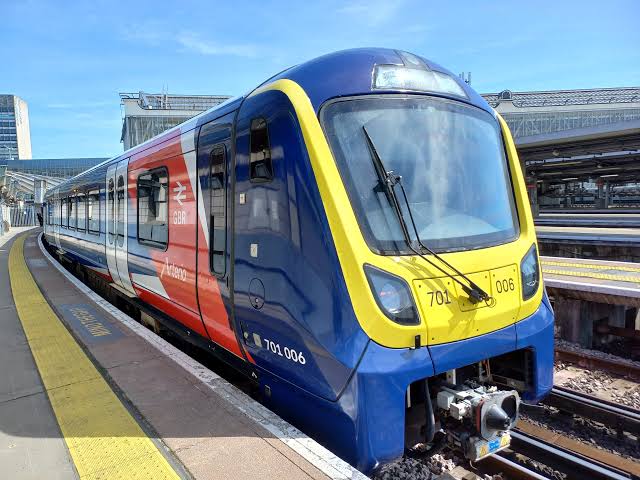
Great British Railways: Will structural reform actually fix Britain’s railway?
Great British Railways is set to reshape the UK rail industry, but will bringing the system together actually solve its long-standing problems?
Sarah Enwright · 31 Aug 2026 · 6 min read

Traffic management procurement reshapes the software market
Plans for a single national traffic management platform are attracting software businesses from outside rail, unsettling incumbent supplier relationships.
Sarah Enwright · 13 Aug 2026 · 6 min read
Report: UK rail investment tracker, Q3 2026
A sample quarterly view of committed capital, pipeline value and regional distribution across UK rail investment.
Sarah Enwright · 6 Aug 2026 · 9 min read